Why Solar Projects Fail Even When the Equipment Is Good
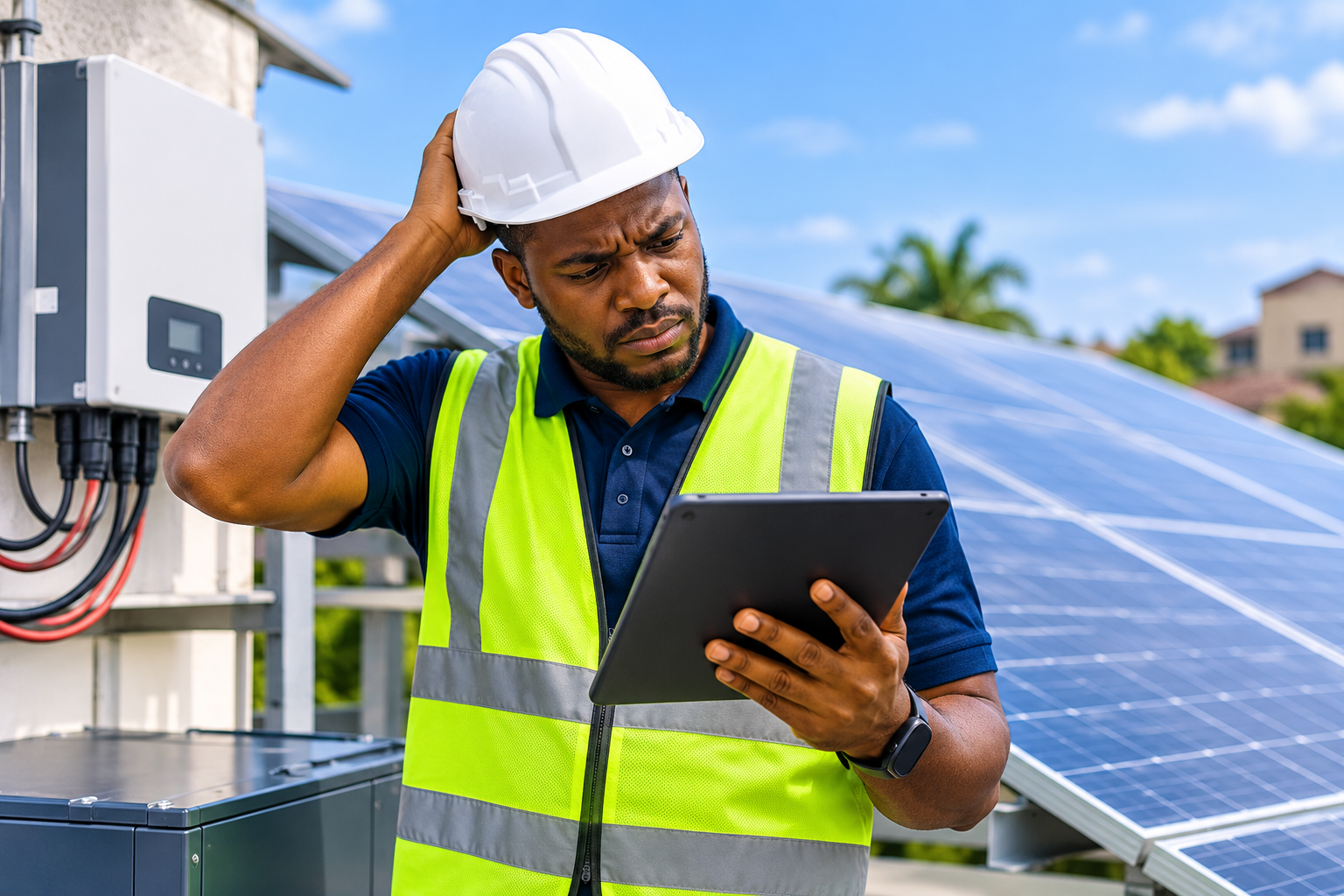
When a solar installation underperforms, the equipment is often the first thing people blame.
Sometimes, that is justified. But not every problem comes from a faulty inverter, battery or solar panel.
Even good equipment can deliver poor results when the system is incorrectly designed or installed.
Here are some common reasons solar projects fail to meet expectations.
1. Incorrect system sizing
A system that cannot meet the customer’s actual energy needs will struggle, regardless of the quality of its components. The inverter, battery and solar array must be sized according to the expected loads and usage patterns.
2. Unrealistic expectations
A customer may expect a system to power every appliance for an entire day, even though it was designed for essential loads and limited backup hours. Clear communication before installation helps prevent this mismatch.
3. Poor installation practices
Incorrect connections, inadequate cable sizing, poor ventilation and insufficient electrical protection can affect performance, reliability and safety.
4. Poor site assessment
Shading, limited roof space and unsuitable panel placement can reduce energy generation. These factors should be considered before the system is installed.
5. Inadequate maintenance and monitoring
Changes in system performance can go unnoticed without periodic inspections and monitoring. Loose connections, dirt accumulation or developing faults may then go unaddressed.
6. Incompatibility between components
Not every inverter, battery and solar panel combination is suitable. Voltage limits, communication protocols, charging requirements and manufacturer specifications must be checked before components are connected.
The lesson is simple: a successful solar project requires more than good products.
It requires proper assessment, sound engineering, compatible components, skilled installation and clear communication with the customer.
When evaluating a solar installation, we should look beyond the brand names on the equipment and examine how the entire system was designed and implemented.
Good equipment is the starting point. Good engineering brings it all together.